In the metal fabrication industry, metal bending is one of the most common metal forming processes. Metal bending, also known as press braking, flanging, and folding, is used to deform a metallic workpiece into an angular shape by use of extreme force. In order for the deformation to take place, the force exerted onto the workpiece must exceed the piece’s strength.
With metal bending, there are quite a few different methods a fabricator could take. In addition, there are various materials other than steel in which a fabricator can transform with a press brake. These materials can range from plastic to wood and iron to alloys, for example.
To get started, let’s break down a few of the more common metal bending methods and the advantages they offer.
V-bending
V-bending is the most common form of metal bending with a punch and V-shaped die. There are three subgroups to V-bending: air bending, coining, and bottoming, with air bending and bottoming taking up 90% of all bending jobs. The V-bending process takes place when a V-shaped punch forces the work into the V-shaped die, ultimately bending it.
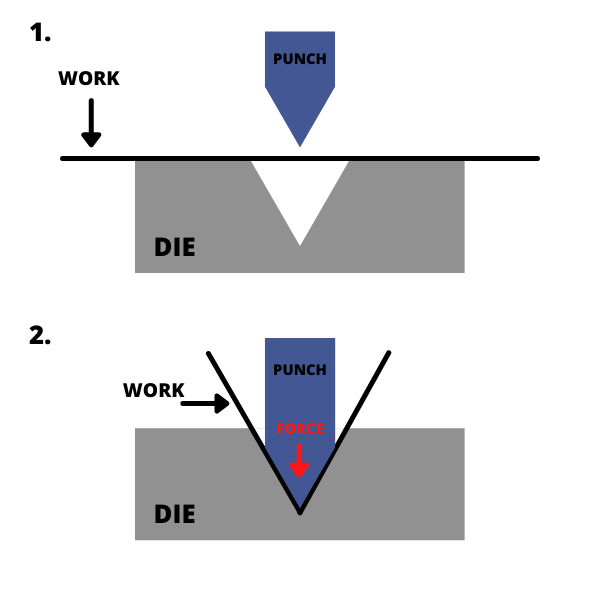 Air Bending
Air bending is a subgroup of V-bending that does not require a sided die. The term air bending, also known as partial bending, is when a metallic workpiece is reshaped without actually touching the die cavity. The workpiece is, instead, rested on two points and the punch pushes down on the bend. If a fabricator makes the decision to use air bending, they will be offered much more flexibility, but less accuracy than coining or bottoming.
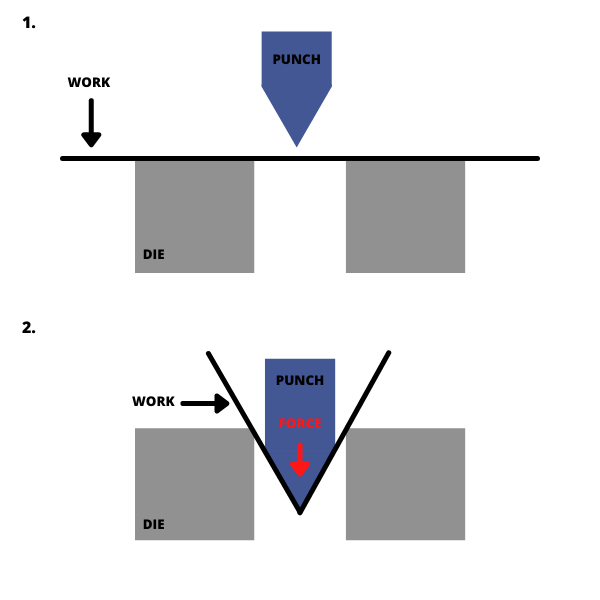 One of the advantages that comes with opting for air bending is that it allows the bending of thicker materials and varies the depth of the punch stroke in order to successfully bend at different angles. With this kind of flexibility and adaptability, the fabricator can invest less on tooling and won’t need to change their tools as often. In addition, since air bending does not require as much tonnage, this means that there will be less wear and tear on your machines, ultimately making them last much longer.
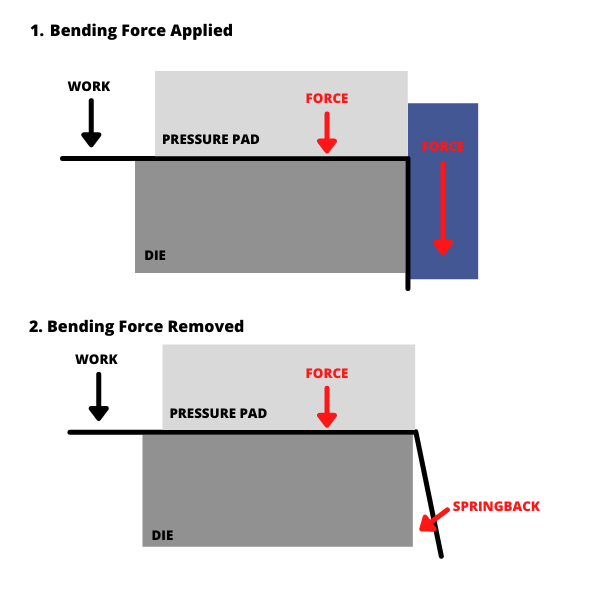
Unfortunately, air bending does have its disadvantages as well. While this method offers more flexibility with forming different angles, the bending angle can be heavily influenced by the sheet metal’s spring-back. Spring-back is when the metal relaxes after bending. Depending on the type of metal, the spring-back can also vary and cause the metal to bend at angles that were not initially intended or desired. In order to counteract the spring-back, it’s often suggested that sheet metals with constant thickness and resistance be used.
 Coining
Prior to modern machinery, coining used to be the preferred method of metal bending as it once offered the most accuracy. The term coining comes from actual metal currency coins because coins need to be made identical to one another in order to keep them distinguishable enough to spot counterfeit coins. However, with modern technology and equipment, it is now not as commonly used.
Contrary to air bending, coining deforms the workpiece to fit the die’s exact shape by applying an extreme amount of tonnage. Fortunately, since this method allows the fabricator to deform the workpiece to the die’s exact shape, there is no spring-back to worry about. This is due to the fact that when the die deforms the workpiece, it’s using extreme force to penetrate the workpiece, ensuring a very small radius for the bend, which ultimately guarantees high precision.
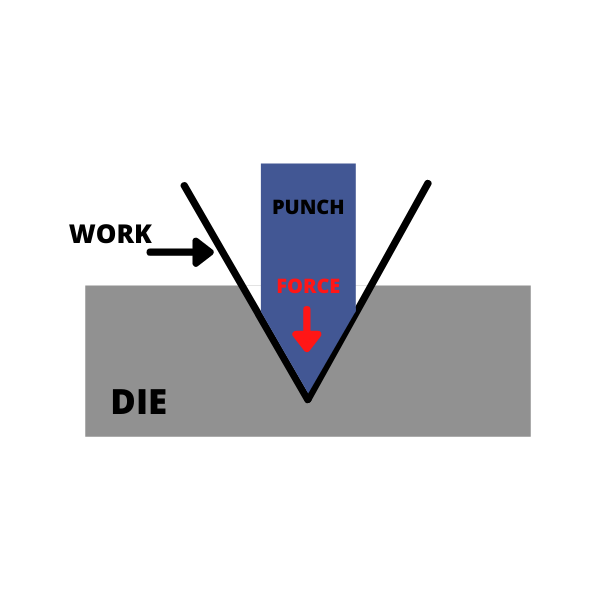 While coining seems to be a more accurate method, due to the extreme amount of tonnage needed to deform the workpiece, it requires four to five times more high bending force than air bending. In addition, it requires more tools for each angle and shape. For some fabricators, this isn’t an issue. It’s all up to preference and what the project is!
Bottoming
The last form of V-bending is bottoming, also known as bottom pressing or bottom striking. Bottoming is when the punch pushes the workpiece onto the die surface, ultimately deforming the piece. What makes this method different from the others is that the inner radius of the angled sheet is completely dependent on the die’s radius.
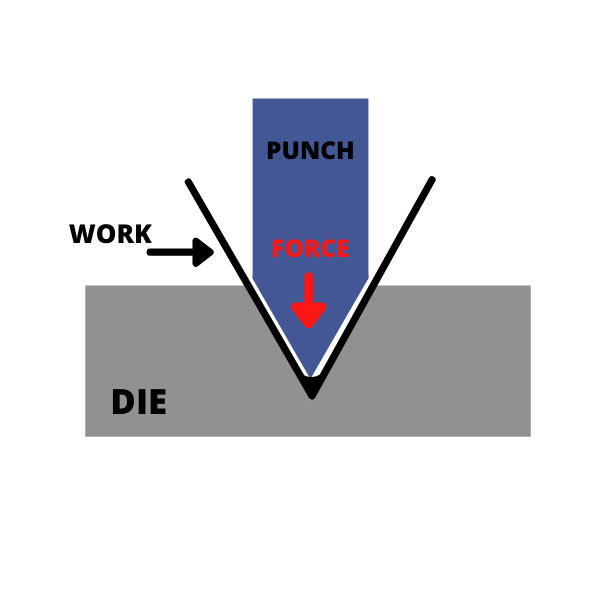 As the inner line becomes more compressed and deformed, the more force is needed to fully deform it. Fortunately, the final bend angle is preset based on the die’s radius, making the exertion possible. In addition, the more force that is used, the chances of experiencing spring-back decreases. Unfortunately, like coining, bottoming requires a different tool set for each bend angle, sheet thickness, and material.
At MFI, we use a 225-ton press brake for all of our metal bending needs. This powerhouse of a machine is capable of bending sheet metal up to 12 feet long and 3/4” thick, making it easy to craft large and small projects. With a team that is committed to delivering high quality projects and decades’ worth of experience in the fabricator industry, we hope you think of us for all of your metal fabrication needs.
To get a better look at our metal forming and bending capabilities, check out our video below.
Subscribe to our YouTube page here and stay updated on our capabilities and projects!

 Now that we have the basics of aluminum out of the way, let’s dive deeper into the three main types of aluminum: standard, reflective, and brushed.
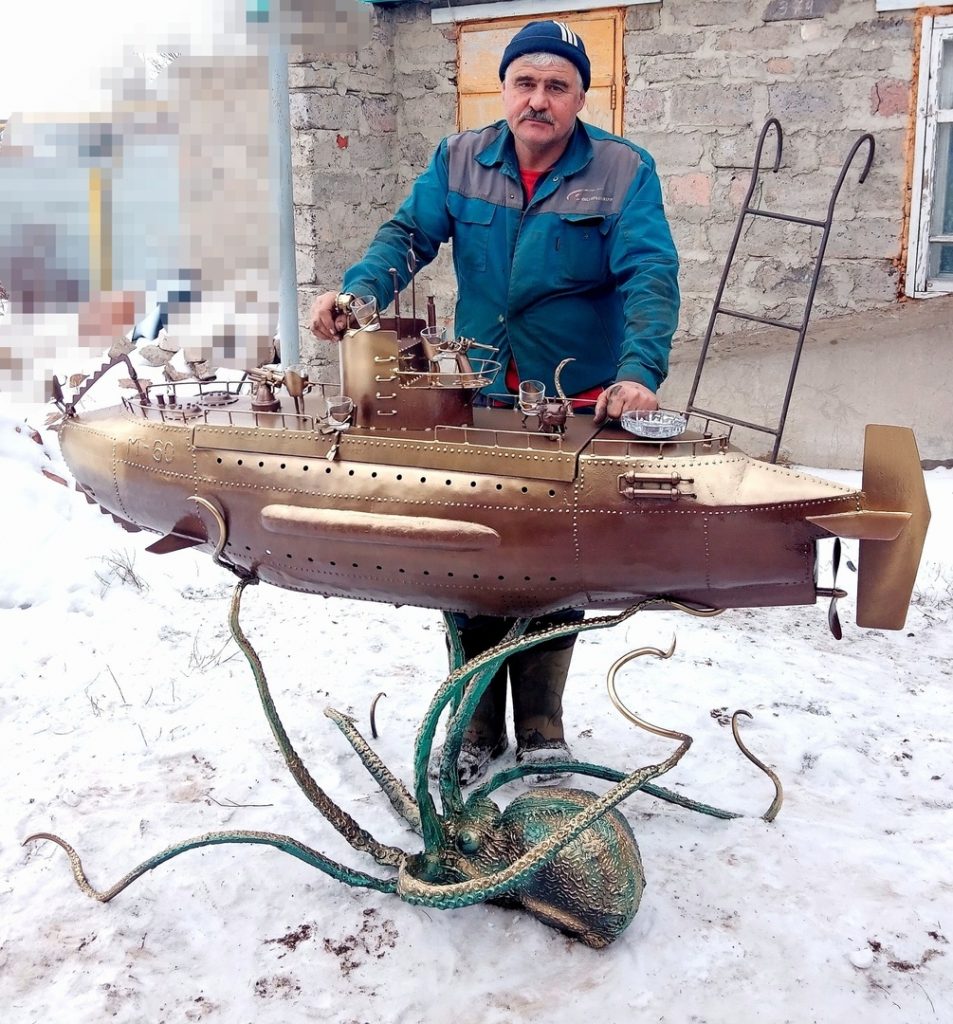 Inspired by a M-60 submarine, Russian artist Igot Khrenov crafted this incredible BBQ cooker and octopus firewood stand. The cooker is complete with a frying pan and glass holders.
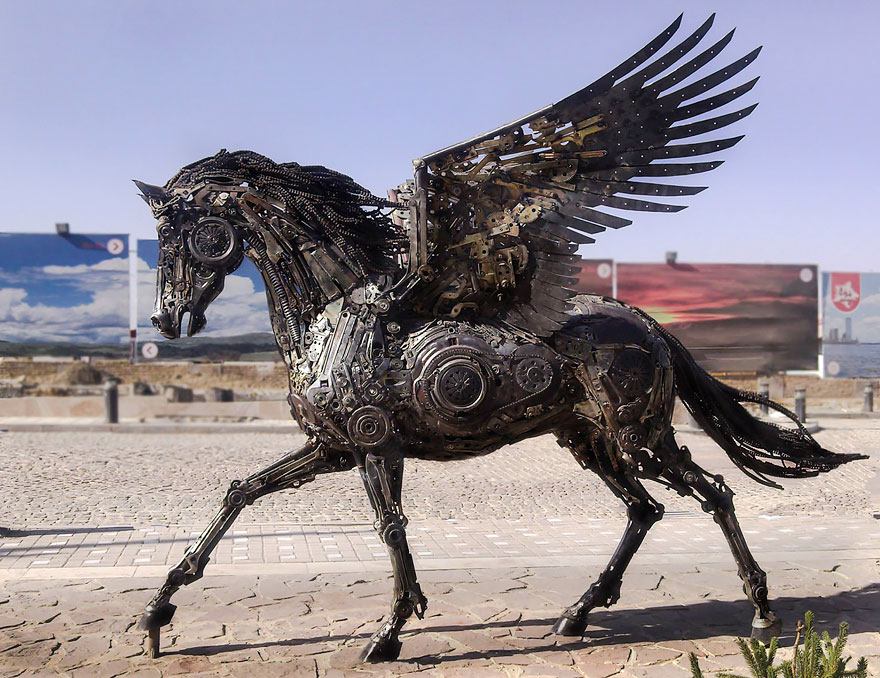 Hasan Novrozi, an Iranian sculptor, created this steampunk statue of a horse from automotive parts, scrap metal, and pieces of metal tools. In addition to welded sculptures, Novrozi also creates art from clay and other media.
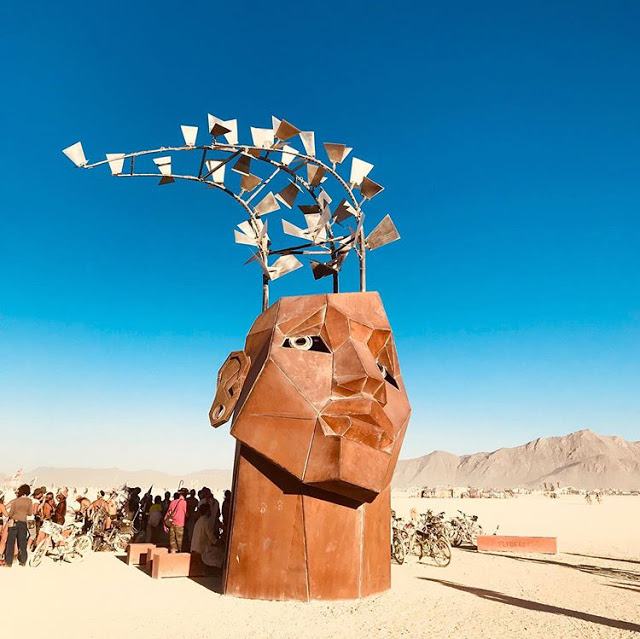 This piece, also known as The Flybrary, is a 20-foot steel statue crafted by metalwork artist Christina Sporrong. Sporrong is best known for her work creating intricate and larger-than-life pieces for festivals. The Flybrary, a steel planar head with a flock of birds flying out of the top of the head, was created for the 2019 Burning Man festival. You can see how Sporrong brought this piece to life
 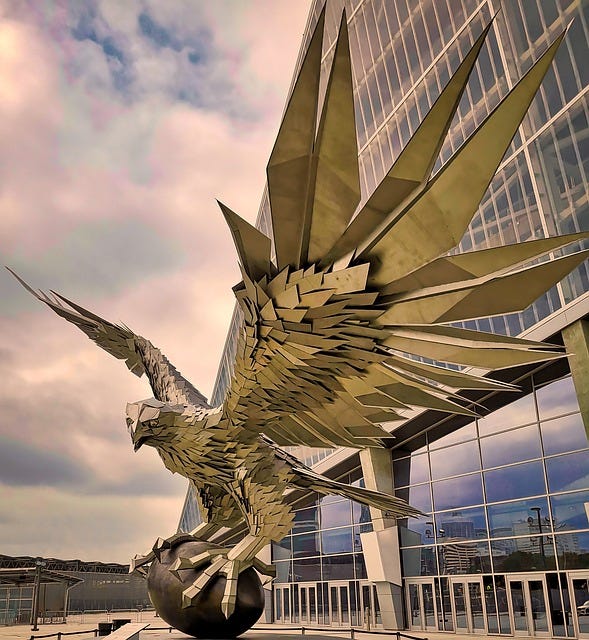 Atlanta Falcon fans will recognize this amazing metal sculpture! Hungarian artist Gabor Miklos Szoke created this 41-foot tall, 73,000 pound stainless steel statue for the American football team, making it the largest bird statue in the world. Find out more about Szoke’s art
 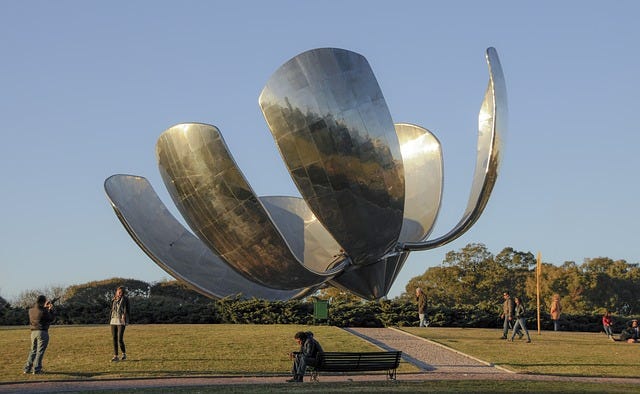 Eduardo Catalano of Argentina created this 75-foot tall flower sculpture in 2002. The sculpture, named Floralis Generica, weighs a whopping 36,000 pounds and is constructed out of stainless steel with an aluminum skeleton. The giant flower can be visited at the Plaza de las Naciones Unidas in Buenos Aires, Argentina.
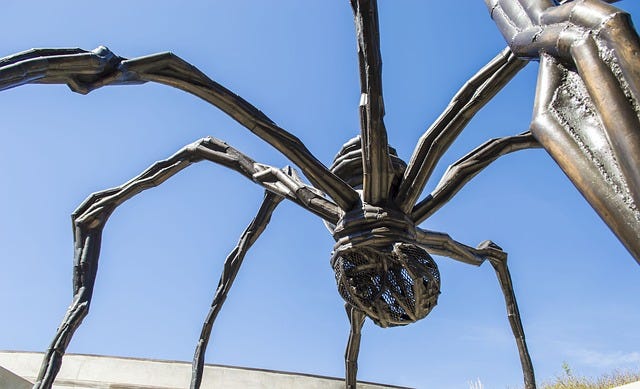 This stainless steel and marble spider statue was handcrafted in 1999 by Louise Bourgeois, a French-American artist. The 30-foot tall spider, named Maman, can be seen at the Tate Modern in London.
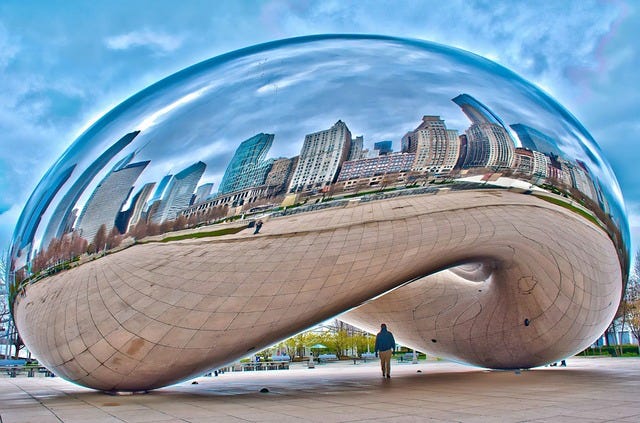 This piece is one most people are familiar with – the Cloud Gate in Chicago, Illinois. Affectionally referred to as, The Bean, this piece was crafted by Indian-born British artist Sir Anish Kapoor. The piece, ranking in at 33-feet tall, is comprised of over 160 stainless steel plates that have been welded together so perfectly, there are no visible seams.
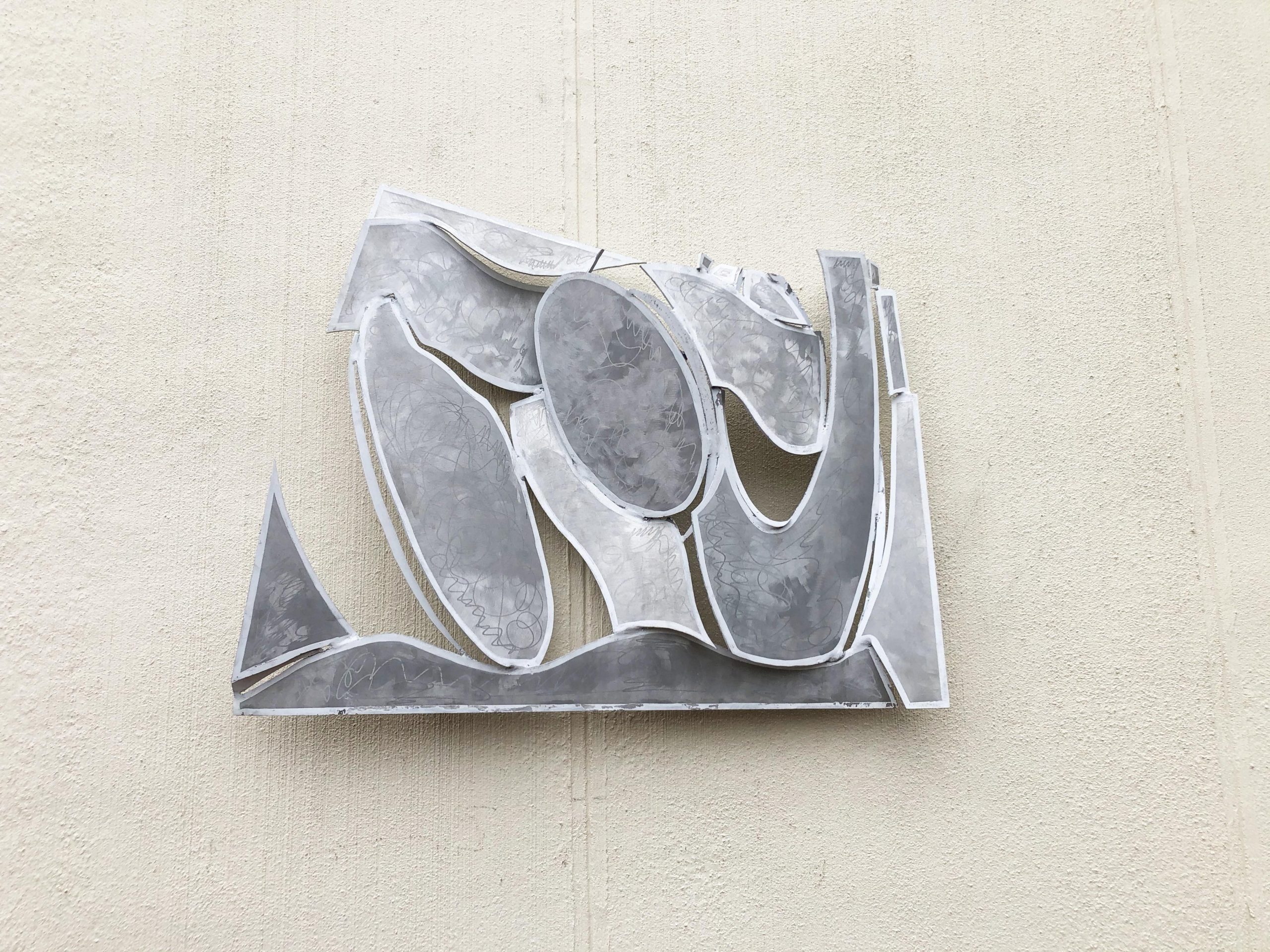 This last sculpture hits home for us as it is displayed in front of our parent company, Security Engineered Machinery (SEM) in Westborough, MA! The piece, named Weldage #5, is a painted aluminum sculpture created by artist Hans Van de Bovenkamp in 1989.